
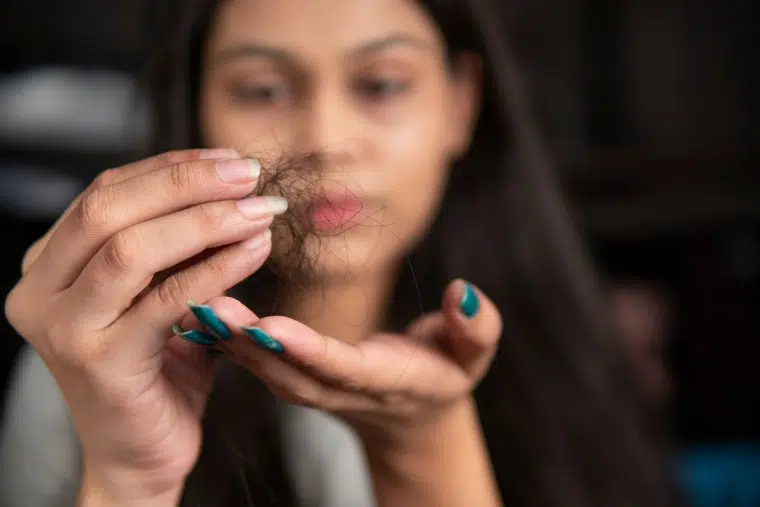
Have you ever noticed your hair falling more than usual after a period of intense emotional stress — such as a loss, illness, or major life change? You’re not imagining it. Stress doesn’t just affect your mind; it also has a powerful impact on your body, including your hair. One of the most common stress-related hair conditions is called Telogen Effluvium — a temporary yet distressing form of hair shedding. Let’s understand what it is, why it happens, and how you can manage it effectively.
What Is Telogen Effluvium?
Telogen Effluvium (TE) is a condition where a large number of hair follicles enter the telogen, or resting phase, prematurely. Normally, only about 10% of your hair is in this resting phase at any given time. However, during Telogen Effluvium, this number can rise to 30–50%, leading to noticeable hair shedding two to three months after a triggering event — often emotional or physical stress.
How Emotional Stress Affects Hair Growth
Your hair grows in three main phases — anagen (growth), catagen (transition), and telogen (resting/shedding). Emotional stress disrupts this natural cycle in several ways:
1. Hormonal Imbalance
When you experience emotional stress, your body releases high levels of cortisol, also known as the stress hormone. This hormonal surge interferes with the normal hair growth cycle, pushing more follicles into the resting phase prematurely.
2. Reduced Blood Circulation to the Scalp
Stress can cause blood vessels to constrict, reducing oxygen and nutrient delivery to hair follicles. Over time, this weakens the roots and triggers shedding.
3. Immune System Response
Prolonged stress can affect your immune system, making it overactive or underactive. This imbalance can create inflammation in the scalp and disrupt healthy follicle function.
4. Nutritional Deficiency from Stress
During stressful times, many people eat irregularly or skip nutritious meals. A lack of essential vitamins, minerals, and proteins can accelerate hair weakening and loss.
Signs You May Have Telogen Effluvium
- Increased hair shedding (especially while washing or brushing)
- Thinner ponytail or visible scalp areas
- Hair falling evenly across the scalp rather than in patches
- Weak, dull, or limp hair texture
- Shedding noticeable 2–3 months after a stressful event
The good news is that Telogen Effluvium is usually reversible once the underlying stress is managed and your hair cycle stabilizes.
How to Manage Stress-Related Hair Shedding
1. Identify and Manage the Source of Stress
The first step in controlling TE is addressing what’s triggering your emotional strain. Practice mindfulness, meditation, or light physical activities to calm your nervous system.
2. Support Hair Growth with Nutrition
Include foods rich in protein, iron, zinc, and vitamins B, C, and D. Supplements may also help if your diet is lacking.
3. Massage and Stimulate the Scalp
A gentle scalp massage can improve blood circulation and encourage hair regrowth by stimulating dormant follicles.
4. Avoid Harsh Hair Treatments
During recovery, avoid coloring, straightening, or chemical treatments that can further weaken your hair.
5. Seek Professional Trichology Support
A qualified trichologist can perform scalp analysis and suggest targeted treatments — such as PRP therapy, low-level laser therapy, or customized nutritional plans — to restore hair health and balance.
Final Thoughts
Emotional stress might be invisible, but its effects on your hair are often easy to see. Telogen Effluvium is your body’s way of signaling that it needs rest and recovery. The key is to recognize the connection between your emotional health and your hair’s well-being early on.
With the right stress management techniques and timely trichological care, your hair can regain its strength and fullness naturally.