
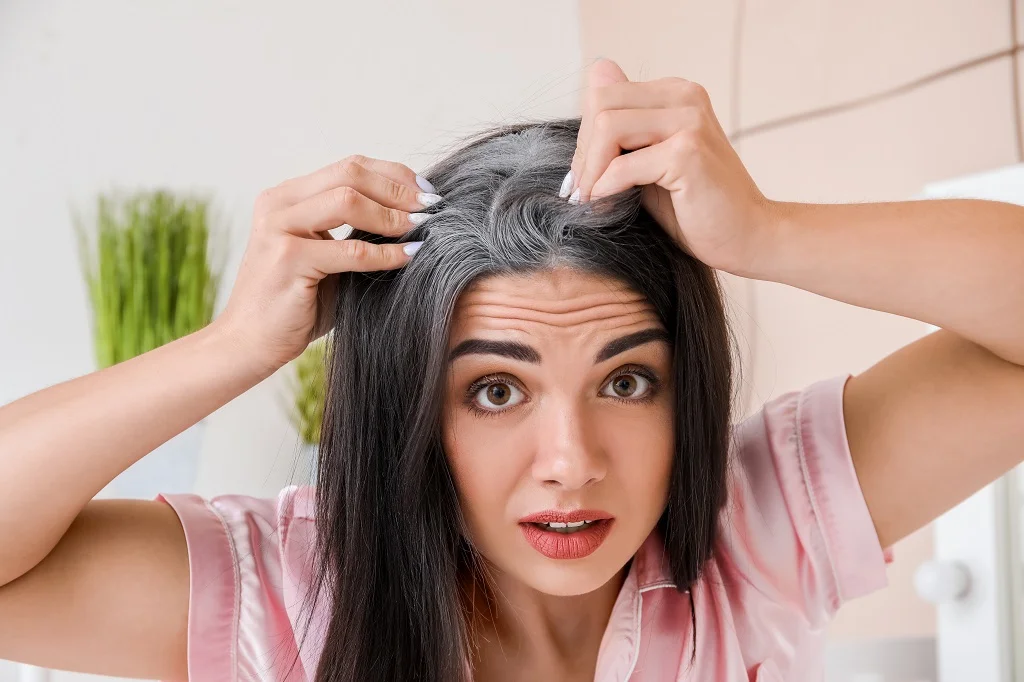
Early graying can be surprising for teenagers who notice strands of silver or white hair appearing much sooner than expected. While gray hair is often associated with aging, it can also occur in adolescence due to a variety of internal and external factors. Understanding why this happens helps reduce unnecessary worry and encourages better hair care habits.
Hair color is determined by melanin, a pigment produced by melanocytes in the hair follicles. When melanin production slows or stops, hair loses its natural color and turns gray or white. In teenagers, this can happen prematurely due to several underlying reasons. One of the most common causes is genetics — if parents or grandparents experienced early graying, it’s likely to pass down.
Another major factor is nutritional deficiency. Lack of essential nutrients such as vitamin B12, iron, copper, and folic acid can disrupt melanin production, leading to early color loss. Additionally, high levels of stress and anxiety may accelerate the process by increasing oxidative stress, which damages melanocytes. Hormonal imbalances during puberty can also contribute to premature graying in some cases.
Lifestyle habits play a significant role too. Excessive use of chemical-based hair products, heat styling, smoking, and exposure to pollution can weaken hair roots and reduce pigment over time. Medical conditions like thyroid disorders or autoimmune issues may further affect hair pigmentation and should be diagnosed by a trichologist or dermatologist.
Though early graying is usually harmless, it can be emotionally challenging for young individuals. Adopting a balanced diet, managing stress, and using gentle, natural hair care products can help slow the process. In certain cases, professional trichology treatments may help restore scalp health and stimulate pigment production. Recognizing the cause early makes it easier to manage and maintain youthful, healthy hair.
Medical Hair Spa in Vadodara | Hair Ensure Trichology Clinic