
Hair loss can be an emotional and frustrating experience, affecting confidence and self-image for both men and women. While there are countless remedies marketed as solutions, Platelet-Rich Plasma (PRP) therapy stands out as a scientifically-backed, non-surgical option showing promising results. But how does PRP actually work? More importantly, how do growth factors in your own blood help revive dormant hair follicles? Let’s explore the science and success behind this innovative treatment.
Understanding PRP: What Is It?
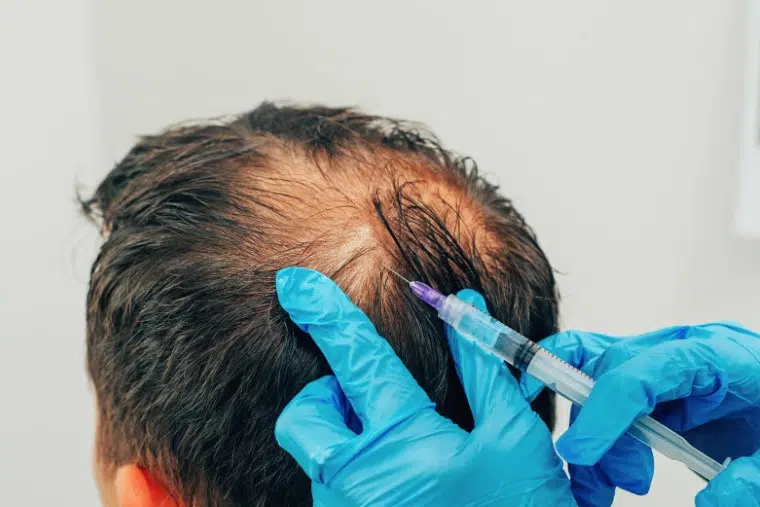
PRP, or Platelet-Rich Plasma, is derived from your own blood. During a PRP treatment session, a small amount of blood is drawn and then spun in a centrifuge to separate the plasma from red blood cells. This plasma is rich in platelets — tiny cell fragments that are loaded with growth factors and proteins that aid tissue repair and regeneration. These platelets are then injected directly into the scalp, targeting areas of hair thinning or loss.
The Science Behind Growth Factors
Growth factors are naturally occurring proteins in your blood that play a vital role in healing and cellular regeneration. In the context of hair regrowth, they stimulate the activity of the hair follicles and encourage new hair growth. Here are a few key growth factors found in PRP that contribute to its effectiveness:
- PDGF (Platelet-Derived Growth Factor): Stimulates blood vessel growth and cell replication in the scalp.
- VEGF (Vascular Endothelial Growth Factor): Enhances blood supply to the hair follicle, increasing nourishment.
- EGF (Epidermal Growth Factor): Promotes the health and development of the scalp’s skin and follicles.
- IGF-1 (Insulin-like Growth Factor): Extends the anagen (growth) phase of the hair cycle.
These growth factors work in harmony to wake up dormant follicles — those that have stopped producing visible hair but still exist under the skin. By creating a healthier environment, PRP reactivates these follicles and encourages new hair strands to grow.
Reviving Dormant Follicles: A Natural Boost
Hair follicles can become inactive due to stress, aging, hormonal imbalances, or certain medical conditions. However, PRP therapy can help reset this process by increasing circulation to the follicles and delivering a powerful boost of cellular signals. As a result, patients often notice:
- Thicker, stronger hair strands
- Reduced hair shedding
- Improvement in overall hair density
- New growth in areas that were previously thinning
The best part? Since PRP uses your own blood, there’s little to no risk of allergic reaction or rejection.
What to Expect During Treatment
PRP therapy typically involves 3–4 sessions spaced about a month apart, followed by maintenance treatments every 4–6 months depending on the individual’s needs. The procedure itself is quick, often completed in under an hour, with minimal downtime. Some patients experience mild soreness or redness at the injection site, but these symptoms usually subside within a day.
Is PRP Right for You?
PRP therapy is ideal for individuals in the early stages of hair loss, or those with areas of thinning rather than complete baldness. It’s suitable for both men and women and can be used alone or in conjunction with other treatments like topical minoxidil, hair supplements, or microneedling.
However, it’s important to consult a trichologist or dermatologist before beginning treatment to assess your scalp health and understand if you’re a good candidate.
Conclusion
PRP therapy harnesses your body’s own healing powers to awaken sleeping hair follicles and stimulate natural hair growth. By delivering a concentrated dose of growth factors to the scalp, PRP revives the follicle’s function and gives hope to those looking for a non-surgical, long-term solution to hair loss. As awareness and research around this therapy continue to grow, PRP is quickly becoming a go-to choice for restoring hair and confidence — naturally.