
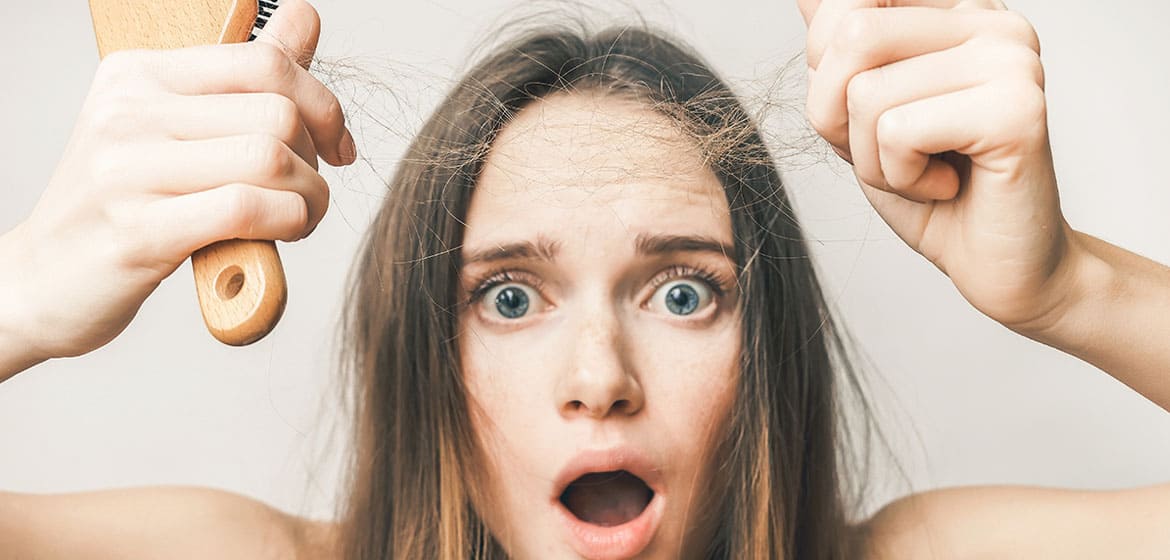
We all experience stress from time to time—whether it’s due to work, family responsibilities, health concerns, or major life changes. While occasional stress is a normal part of life, prolonged or intense stress can affect more than just your mental well-being. It can also have a noticeable impact on your hair.
If you’ve recently started seeing more hair in your brush, on your pillow, or in the shower drain after going through a stressful period, you’re not imagining it. Stress can disrupt the normal hair growth cycle, leading to increased shedding and thinning.
The good news is that stress-related hair loss is often manageable, especially when it’s identified early and addressed with the right lifestyle changes and professional guidance.
Quick Signs That Stress May Be Affecting Your Hair
- ✔ You notice more hair falling out than usual during washing or brushing.
- ✔ Hair appears thinner across the scalp rather than in one specific area.
- ✔ Increased hair shedding started after a stressful life event or illness.
- ✔ Hair feels weaker, less voluminous, and more fragile.
- ✔ Managing stress and caring for your scalp early may help support healthier hair.
If these signs sound familiar, it’s worth understanding how stress affects your hair and what you can do about it.
Can Stress Really Cause Hair Loss?
Yes, it can.
Stress doesn’t usually cause hair to fall out overnight, but prolonged physical or emotional stress can interrupt the normal hair growth cycle. Hair follicles that are actively growing may enter the resting phase earlier than they should. A few weeks or even months later, these hairs begin to shed more noticeably.
Because this process is delayed, many people don’t immediately connect their increased hair loss with a stressful event that happened several months earlier.
How Does Stress Affect Hair Growth?
Hair naturally goes through three main stages:
- Growth Phase (Anagen): Hair actively grows for several years.
- Transition Phase (Catagen): Hair growth slows as the follicle prepares for rest.
- Resting Phase (Telogen): Hair eventually sheds, making room for new growth.
High levels of stress can push a larger number of hair follicles into the resting phase at the same time. As a result, you may experience excessive shedding, making your hair appear thinner than usual.
Common Causes of Stress-Related Hair Loss
Several situations can trigger stress that may affect your hair, including:
- Work-related pressure
- Financial difficulties
- Relationship challenges
- Major life changes
- Surgery or serious illness
- High fever or infection
- Poor sleep habits
- Emotional trauma
- Long-term anxiety
The body often prioritizes essential functions during stressful periods, and healthy hair growth may temporarily become less of a priority.
Symptoms of Stress-Related Hair Loss
Stress-related hair loss often develops gradually rather than suddenly.
Common signs include:
Increased Daily Hair Shedding
You may notice more hair collecting in your hairbrush, shower drain, or on your clothing.
Diffuse Hair Thinning
Instead of bald patches, hair usually becomes thinner across the entire scalp.
Reduced Hair Volume
Your ponytail may feel smaller, or your hair may appear flatter than before.
More Hair While Washing
Hair shedding often becomes more noticeable during shampooing or combing.
Slower Hair Recovery
Hair may seem to grow more slowly while your body is recovering from prolonged stress.
Is Stress-Related Hair Loss Permanent?
In many cases, no.
If stress is the primary cause and the hair follicles remain healthy, normal hair growth often resumes over time once the underlying stress is managed.
However, recovery can take several months because hair grows in cycles. Patience and consistent care are important during this period.
If hair loss continues or worsens, it’s advisable to seek professional evaluation to rule out other possible causes.
How to Prevent Stress-Related Hair Loss
While it’s impossible to eliminate stress completely, healthy habits can help reduce its impact on both your body and your hair.
Manage Stress Effectively
Regular exercise, meditation, deep breathing, yoga, or spending time on enjoyable activities can help lower stress levels.
Prioritize Quality Sleep
Aim for 7–9 hours of restful sleep each night to support your body’s natural repair processes.
Eat a Nutrient-Rich Diet
Hair needs adequate protein, iron, zinc, biotin, vitamin D, and other essential nutrients to stay healthy.
Be Gentle With Your Hair
Avoid excessive heat styling, harsh chemical treatments, and tight hairstyles that can place extra stress on your hair.
Maintain a Healthy Scalp
Keeping your scalp clean and well cared for supports a healthy environment for hair growth.
Stay Hydrated
Proper hydration contributes to overall health, including the health of your hair and scalp.
When Should You See a Hair Specialist?
Consider consulting a professional if:
- Hair shedding continues for more than three months.
- Hair thinning becomes increasingly noticeable.
- You develop bald patches.
- Hair loss is accompanied by scalp irritation or pain.
- You’re unsure whether stress is the only cause.
A professional assessment can help identify whether stress, nutritional deficiencies, hormonal changes, genetics, or other medical conditions are contributing to your hair loss.
Can Hair Treatments Help?
Depending on the cause of your hair loss, a hair specialist may recommend treatments designed to improve scalp health and support stronger, healthier hair.
The most appropriate treatment varies from person to person and should be based on a thorough evaluation of your scalp, hair condition, and overall health. Combining professional care with stress management and healthy lifestyle habits often provides the best long-term results.
Final Thoughts
Stress is an unavoidable part of life, but when it becomes chronic or overwhelming, it can affect many aspects of your health—including your hair. Increased shedding, reduced volume, and overall thinning are common signs that your hair may be responding to prolonged stress.
The encouraging news is that stress-related hair loss is often temporary. By managing stress, maintaining a healthy lifestyle, caring for your scalp, and seeking professional advice when needed, you can support your hair’s natural recovery and long-term health.
Remember, healthy hair reflects overall well-being. Taking care of your mind and body is one of the best investments you can make—not only for your health but also for your hair.
Don’t Let Stress Take a Toll on Your Hair
If stress-related hair fall or thinning is affecting your confidence, visit Hair Ensure Trichology Clinic in Alkapuri, Vadodara, for a detailed hair and scalp assessment. Under the expert guidance of Dr. Jyoti Patil, we provide personalized treatment plans to address the root cause of hair loss and help you achieve healthier, stronger hair. Book your consultation today and take the first step toward restoring your hair with expert care.