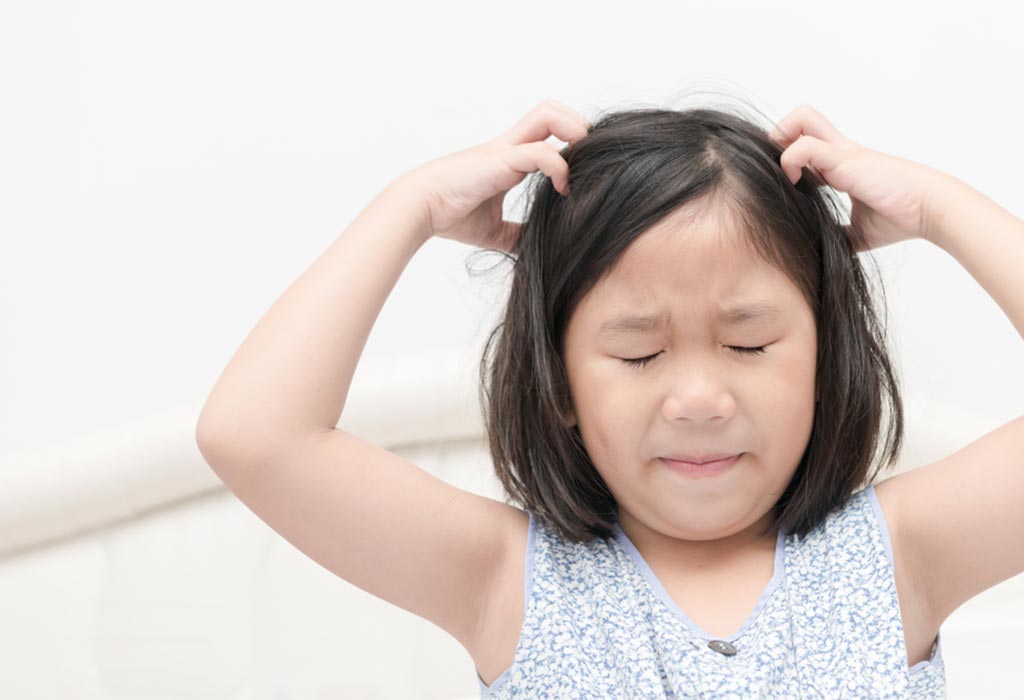
As a parent, noticing flakes on your child’s scalp can be surprising and concerning. Dandruff is often associated with adults, so when it appears in young children, many parents wonder if something is wrong. The good news is that dandruff in children is quite common and is usually manageable with the right care and attention.
If your child has started developing dandruff at a young age, understanding the possible causes and knowing how to address the issue can help keep their scalp healthy and comfortable.
What Causes Dandruff in Children?
Dandruff occurs when the scalp sheds dead skin cells more rapidly than usual. Several factors can contribute to this condition in children:
1. Dry Scalp
Changes in weather, frequent shampooing, or insufficient scalp moisture can cause dryness and flaking.
2. Excess Oil Production
Some children naturally produce more oil on their scalp, which can lead to dandruff and irritation.
3. Improper Hair Hygiene
Not washing the hair regularly or failing to rinse shampoo thoroughly can contribute to scalp problems.
4. Sensitivity to Hair Products
Certain shampoos, conditioners, or styling products may irritate a child’s scalp and trigger flaking.
5. Fungal Growth
A naturally occurring fungus on the scalp can sometimes multiply excessively, leading to dandruff symptoms.
Signs That It May Be Dandruff
Parents should look for common symptoms such as:
- White or yellowish flakes on the scalp
- Mild itching
- Dry or oily patches on the scalp
- Flakes visible on clothing, especially dark-colored shirts
- Occasional scalp irritation
While dandruff is generally harmless, persistent symptoms should not be ignored.
What Can Parents Do at Home?
Maintain a Regular Hair Washing Routine
Use a mild, child-friendly shampoo and wash your child’s hair according to their scalp type. Keeping the scalp clean helps remove excess oil and flakes.
Avoid Harsh Hair Products
Choose gentle products designed for children. Avoid excessive use of gels, sprays, or products that may irritate the scalp.
Encourage a Balanced Diet
A healthy diet rich in vitamins, minerals, fruits, vegetables, and proteins supports overall scalp and hair health.
Keep the Scalp Moisturized
If dryness is the cause, appropriate scalp care can help maintain moisture balance and reduce flaking.
Avoid Excessive Scratching
Children may scratch their scalp due to itching, but this can worsen irritation and lead to discomfort.
When Should You Seek Professional Advice?
If dandruff continues despite proper care, becomes severe, or is accompanied by redness, inflammation, hair thinning, or excessive itching, it may be time to consult a hair and scalp specialist.
Early evaluation can help identify underlying scalp conditions and ensure your child receives appropriate treatment before the issue becomes more troublesome.
Can Dandruff Affect Hair Growth?
In most cases, dandruff itself does not directly cause hair loss. However, continuous scratching and untreated scalp inflammation may affect scalp health over time. Maintaining a healthy scalp environment is important for strong and healthy hair growth.
Final Thoughts
Seeing dandruff on your child’s scalp can be worrying, but it is often a manageable condition. With proper scalp care, a healthy routine, and timely professional guidance when needed, most children can enjoy a clean, comfortable, and healthy scalp.
If your child’s dandruff persists or keeps returning, don’t ignore the signs. Seeking expert advice can help identify the root cause and provide the most suitable solution for your child’s scalp and hair health.