
Hair plays an important role in personal appearance and confidence. However, experiencing excessive hair fall, thinning, or visible bald patches can sometimes indicate an underlying condition known as alopecia. While losing a few strands every day is normal, unusual or persistent hair loss should not be ignored. Recognising the early signs of alopecia and understanding the available hair growth treatments can help individuals take the right steps towards managing their hair health.
What Is Alopecia?
Alopecia is a medical term used to describe hair loss. It can affect the scalp, eyebrows, eyelashes, and other areas of the body. Depending on its type and underlying cause, alopecia may result in gradual hair thinning, patchy hair loss, or more extensive hair loss.
Some common types include:
Androgenetic Alopecia: Commonly known as pattern hair loss, it causes gradual thinning due to genetic and hormonal factors.
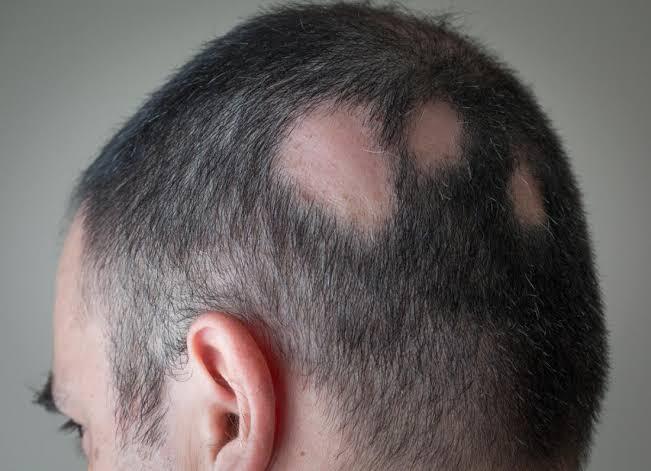
Alopecia Areata: An autoimmune condition that causes hair to fall out in small, round patches.
Telogen Effluvium: A temporary form of excessive hair shedding that may occur after stress, illness, hormonal changes, or nutritional deficiencies.
Traction Alopecia: Hair loss caused by repeated pulling or tension from tight hairstyles.
Understanding the type of alopecia is essential before choosing an appropriate treatment.
Common Symptoms of Alopecia You Should Recognise
Hair loss does not always happen suddenly. In many cases, the symptoms develop gradually. Here are some common warning signs to watch for:
1. Increased Hair Shedding: Finding more hair than usual on your pillow, comb, or while washing your hair may indicate excessive shedding.
2. Gradual Hair Thinning: Noticeable reduction in hair volume, particularly around the crown, temples, or hairline, can be an early sign of pattern hair loss.
3. Small Bald Patches: Smooth, round patches on the scalp or other areas may indicate alopecia areata.
4. Receding Hairline: A gradually moving-back hairline can be associated with certain types of hair loss.
5. Changes in Scalp Condition: Itching, redness, scaling, irritation, or discomfort alongside hair loss may indicate an underlying scalp condition that requires attention.
6. Weak or Brittle Hair: Increased breakage and changes in hair texture may suggest hair damage or other contributing factors.
How to Choose the Right Hair Growth Treatment?
There is no single treatment suitable for every type of alopecia. The right approach depends on the cause, severity, medical history, and overall scalp condition.
Some commonly considered treatment options include:
PRP Therapy: Platelet-Rich Plasma therapy uses components from your own blood and may help improve hair density in selected individuals.
Low-Level Laser Therapy (LLLT): This non-invasive treatment uses light energy to stimulate hair follicles and may support hair growth in certain types of hair loss.
Medical Hair Spa: Specialised scalp care can help improve scalp cleanliness, hydration, and hair texture, although it does not treat every form of alopecia.
Medical Treatments: Depending on the diagnosis, a dermatologist may recommend clinically approved medications or other targeted therapies.
A professional evaluation is important before beginning any treatment, especially when hair loss is sudden, patchy, or accompanied by scalp inflammation.
Why Early Hair Loss Assessment Matters
Identifying alopecia at an early stage can help determine the underlying cause and prevent unnecessary delays in treatment. Some forms of hair loss are reversible, while others require ongoing management. Following a personalised treatment plan, maintaining a balanced diet, managing stress, and adopting healthy hair care habits can also contribute to better hair health.
At Hairensure Trichology Clinic, individual hair and scalp concerns are assessed to help determine suitable care and treatment options. Professional guidance can make your hair restoration journey more informed and structured.
Conclusion
Recognising alopecia symptoms is the first step towards understanding and managing hair loss. Whether you are experiencing excessive shedding, thinning, or bald patches, identifying the underlying cause is essential for choosing the right treatment. With timely assessment and personalised care, you can take positive steps towards maintaining healthier hair and scalp conditions.
Concerned about hair thinning or unexpected hair loss? Book your consultation at Hairensure Trichology Clinic today and take the first step towards healthier hair!