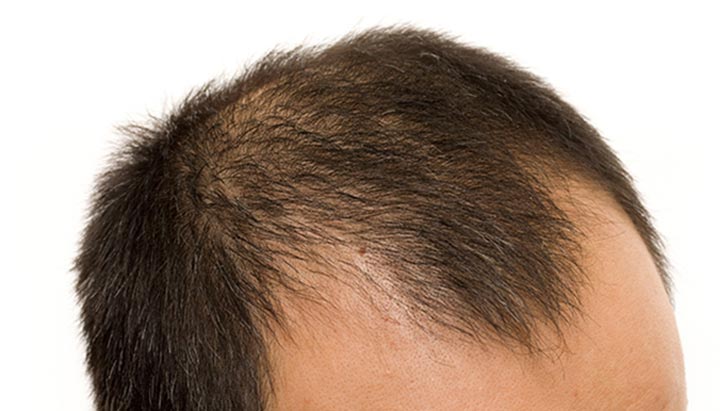
Hair fall is a natural part of the hair growth cycle, but when you start noticing excessive shedding, visible scalp areas, or a gradually receding hairline, it may indicate something more than normal hair loss. Hair thinning and baldness are common concerns affecting both men and women, often influencing personal appearance and confidence.
The important thing is to recognise the early warning signs and understand when professional help is necessary. Identifying the cause of hair loss at the right time can help you explore suitable treatment options and take better care of your scalp.
Understanding the Difference Between Hair Loss and Baldness
Hair loss refers to excessive shedding or the loss of hair from the scalp, which may be temporary or progressive. Baldness generally describes more noticeable or extensive hair loss, often resulting in visible patches or significant scalp exposure.
While temporary hair shedding can occur due to stress, nutritional deficiencies, hormonal changes, or illness, progressive baldness may be associated with genetics, hormonal sensitivity, or certain medical conditions.
Understanding this difference is important because each condition may require a different treatment approach.
Common Symptoms of Hair Loss and Baldness
Hair loss does not always happen overnight. Recognising the early symptoms can help you seek appropriate care before the condition progresses.
1. Excessive Hair Shedding: Losing more hair than usual while washing, brushing, or styling may indicate increased hair shedding.
2. Gradual Hair Thinning: If your hair starts looking less dense or your scalp becomes more visible, it could be an early sign of progressive hair loss.
3. Receding Hairline: A gradually moving-back hairline, particularly around the temples, is commonly associated with pattern baldness.
4. Visible Bald Patches: Small, round, or irregular bald patches may indicate conditions such as alopecia areata.
5. Widening Hair Parting: Women may notice their hair part becoming wider as overall hair density decreases.
6. Reduced Hair Volume: Hair that previously appeared thick and full may gradually become finer, weaker, and less voluminous.
7. Changes in Scalp Condition: Persistent itching, redness, scaling, or irritation alongside hair loss may indicate an underlying scalp problem.
What Are the Common Causes of Hair Loss?
Several factors can contribute to hair thinning and baldness. Some of the most common include:
- Genetics: Family history plays an important role in pattern hair loss.
- Hormonal Changes: Hormonal fluctuations and certain medical conditions can influence hair growth.
- Stress: Significant physical or emotional stress may trigger temporary excessive hair shedding.
- Nutritional Deficiencies: Inadequate iron, protein, and other essential nutrients may affect healthy hair growth.
- Scalp Conditions: Certain inflammatory or infectious scalp conditions can contribute to hair loss.
- Ageing: Hair naturally becomes finer and may grow more slowly with age.
When Should You Seek Professional Hair Loss Treatment?
Occasional hair shedding is normal, but certain symptoms should not be ignored. Consider seeking professional evaluation if:
- Hair fall continues for several weeks or becomes noticeably excessive.
- You experience sudden or patchy hair loss.
- Your hairline is progressively receding.
- Your scalp becomes increasingly visible.
- Hair loss is accompanied by itching, redness, pain, or scaling.
- You notice sudden changes in hair density or texture.
Early assessment can help identify the underlying cause and determine whether the condition is temporary or requires ongoing management.
Hair Treatment Options to Consider
The right treatment depends on your hair condition, medical history, and the underlying cause of hair loss. Depending on individual suitability, treatment options may include:
- PRP Therapy: Uses platelet-rich plasma from your own blood and may support hair growth in selected cases.
- Low-Level Laser Therapy (LLLT): Uses specific light wavelengths to stimulate hair follicles and may help improve hair density.
- Medical Hair Spa: Focuses on scalp cleansing, nourishment, and improving hair texture and scalp comfort.
- Medical Treatments: A dermatologist may recommend appropriate medications or targeted treatments depending on the diagnosis.
Conclusion
Hair loss and baldness can develop gradually, but recognising their symptoms early can make a difference in managing the condition. From excessive shedding and thinning to receding hairlines and bald patches, every change deserves attention when it becomes persistent or unusual. With proper assessment, personalised treatment, and consistent hair care, you can take informed steps towards maintaining healthier hair.
Noticing excessive hair fall or early signs of baldness? Book your consultation at Hairensure Trichology Clinic today and take the first step towards healthier, stronger-looking hair!