
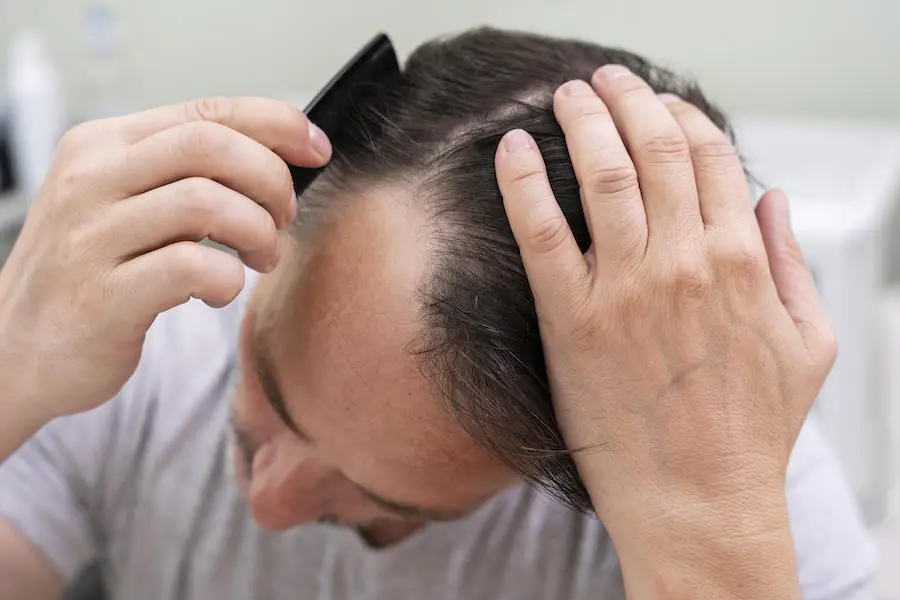
In today’s fast-paced lifestyle, stress has become a common part of everyday life. Whether caused by work pressure, personal responsibilities, financial concerns, or lifestyle changes, prolonged stress can affect several aspects of our health, including sleep quality and hair health. Many people notice increased hair shedding, reduced hair volume, or thinning during particularly stressful periods. But have you ever wondered how stress and poor sleeping habits are connected to hair loss?
Understanding this connection can help you make better lifestyle choices and take the right steps towards maintaining healthier hair.
Understanding the Connection Between Stress and Sleep
Stress and sleep have a close relationship. When the body experiences stress, it releases hormones such as cortisol, which can influence the body’s natural sleep-wake cycle.
Excessive stress may make it difficult to fall asleep, cause frequent nighttime awakenings, or reduce overall sleep quality. Over time, inadequate sleep can affect the body’s natural recovery processes, hormonal balance, and general well-being.
When your body does not get sufficient rest, it may also impact the normal hair growth cycle.
How Does Stress Contribute to Hair Thinning?
Hair naturally passes through different growth stages: anagen (growth), catagen (transition), and telogen (resting). Prolonged physical or emotional stress can disrupt this cycle.
Here are some ways stress may contribute to hair thinning:
1. Increased Hair Shedding: Significant stress can trigger a condition called Telogen Effluvium, where more hair follicles than usual enter the resting phase. This may result in noticeable hair shedding, often appearing a few months after the stressful event.
2. Hormonal Imbalance: Elevated stress hormones may influence various body functions and contribute to changes in the hair growth cycle.
3. Reduced Hair Growth Support: Chronic stress can affect overall health, appetite, and nutritional habits, potentially reducing the nutrients available to support healthy hair growth.
4. Scalp-Related Concerns: Stress may aggravate existing scalp conditions, including itching, irritation, and inflammation, which can affect overall scalp comfort.
How Poor Sleep Can Affect Hair Health
Quality sleep is essential for the body’s natural repair and recovery processes. Consistently disturbed sleep can indirectly influence hair health in several ways.
- Disrupted Recovery: Insufficient sleep may interfere with the body’s normal restorative functions.
- Increased Stress Levels: Poor sleep can increase stress and make it harder for the body to manage everyday pressure.
- Unhealthy Lifestyle Habits: Sleep deprivation may lead to irregular meals, reduced physical activity, and poor dietary choices.
- Overall Health Impact: Long-term sleep disturbances can affect general well-being, potentially creating conditions that contribute to hair concerns.
Although poor sleep alone is not an established direct cause of every type of hair loss, it can be part of a broader pattern of lifestyle factors affecting hair health.
Practical Ways to Manage Stress and Support Healthy Hair
Taking care of your mental well-being and sleeping habits can be an important part of maintaining healthy hair.
Consider adopting these simple habits:
- Maintain a consistent sleep schedule and aim for 7–9 hours of sleep each night.
- Practise meditation, yoga, or deep-breathing exercises to manage daily stress.
- Include protein-rich foods, fruits, vegetables, and essential nutrients in your diet.
- Stay physically active through regular exercise or walking.
- Avoid excessive heat styling and harsh chemical treatments.
- Seek professional advice if you experience persistent or excessive hair shedding.
How Hairensure Can Help
If you are experiencing continuous hair fall or noticeable thinning, identifying the underlying cause is important. At Hairensure Trichology Clinic, professional hair and scalp assessment can help understand your concerns and identify suitable treatment options.
Depending on your individual condition, treatments such as PRP Therapy, Low-Level Laser Therapy, and specialised scalp care may be considered as part of a personalised hair care plan.
Conclusion
Stress and disturbed sleeping patterns can influence your overall health and may contribute to certain types of hair shedding. While improving sleep quality and managing stress cannot prevent every form of hair loss, they are valuable steps towards supporting healthier hair. Combining healthy lifestyle habits with professional guidance can help you better understand and manage your hair concerns.
Experiencing unexplained hair fall or thinning? Book your consultation at Hairensure Trichology Clinic today and take a positive step towards healthier hair!