
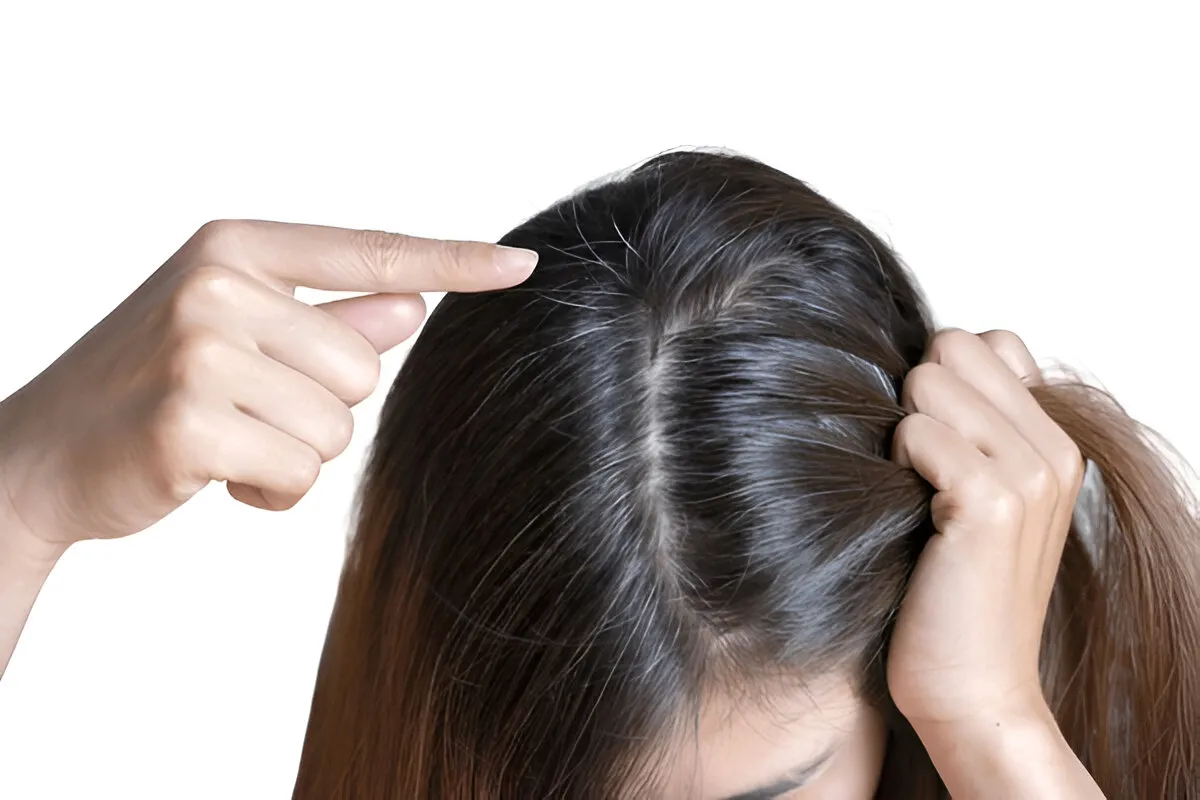
Finding your first white hair can be surprising, especially if you’re still in your 20s or 30s. While many people associate white hair with aging, it’s becoming increasingly common for younger individuals to notice premature greying. This often leads to one important question: Can stress, diet, or genetics cause early white hair?
The answer is yes—but the story is more complex than blaming just one factor. Premature white hair is usually the result of a combination of genetics, lifestyle habits, nutritional health, and environmental influences. Understanding these causes can help you make informed choices and seek the right treatment if needed.
Why Does Hair Turn White?
Hair gets its natural color from a pigment called melanin, which is produced by specialized cells known as melanocytes. As we age, these pigment-producing cells gradually become less active, causing hair to lose its color and eventually turn grey or white.
However, when this process begins much earlier than expected, it is known as premature greying. Several internal and external factors can speed up this natural process.
Does Stress Really Cause Early White Hair?
Stress has long been linked to various health issues, and recent research suggests that chronic stress may also influence hair pigmentation.
When the body experiences prolonged emotional or physical stress, stress hormones can affect the functioning of melanocyte stem cells responsible for producing hair pigment. Although stress alone may not instantly turn hair white overnight, it can accelerate the greying process in people who are already genetically or biologically predisposed.
Stress can also contribute indirectly by affecting sleep quality, nutrition, and overall health—all of which play an important role in maintaining healthy hair.
Can Your Diet Affect Hair Pigmentation?
Absolutely.
Your hair requires a steady supply of nutrients to remain healthy and maintain its natural color. Poor dietary habits or nutritional deficiencies may weaken hair follicles and interfere with melanin production.
Some nutrients commonly associated with healthy hair include:
- Vitamin B12
- Iron
- Copper
- Zinc
- Vitamin D
- Protein
- Folate
- Antioxidants
A balanced diet rich in fresh fruits, vegetables, whole grains, lean proteins, nuts, and seeds supports not only hair growth but also the overall health of your scalp and hair follicles.
Healthy Hair Starts with Healthy Habits
- Your daily lifestyle choices can influence your hair’s future.
- Balanced nutrition supports stronger, healthier hair.
- Managing stress benefits both your mind and your hair.
- Early care can help maintain your natural hair colour for longer.
Is Genetics the Biggest Factor?
For many people, the answer is yes.
If your parents or close family members experienced premature white hair, there is a higher chance that you may also notice early greying. Genetics determines how long your melanocytes remain active and how quickly melanin production slows down.
While you cannot change your genes, knowing your family history can help you take preventive steps earlier by maintaining a healthy lifestyle and consulting a hair specialist if premature greying becomes noticeable.
Other Factors That May Contribute
Besides stress, diet, and genetics, several other factors may also play a role in early white hair.
These include:
- Smoking and tobacco use
- Hormonal imbalances
- Thyroid disorders
- Autoimmune conditions
- Vitamin deficiencies
- Excessive exposure to environmental pollutants
- Frequent use of harsh chemical hair treatments
Each individual is different, which is why identifying the exact cause requires professional evaluation.
Can Early White Hair Be Prevented?
Not every case can be prevented, especially when genetics is the primary cause. However, healthy lifestyle choices may help reduce avoidable risk factors and support better hair health.
Simple habits that may help include:
- Eating a nutrient-rich and balanced diet.
- Managing stress through exercise, meditation, or relaxation techniques.
- Sleeping 7–8 hours every night.
- Avoiding smoking and excessive alcohol consumption.
- Using gentle hair care products suitable for your scalp.
- Scheduling regular health check-ups to detect nutritional deficiencies or hormonal issues.
Taking care of your overall health often reflects positively on your hair.
When Should You Consult a Hair Specialist?
If you notice multiple white hairs appearing suddenly at a young age, or if premature greying is accompanied by excessive hair fall, thinning, or scalp problems, it is advisable to seek professional guidance.
A hair specialist may recommend blood tests or scalp evaluations to identify underlying nutritional deficiencies, hormonal imbalances, or medical conditions that may be contributing to the problem.
Early diagnosis allows you to address treatable causes before they progress further.
Can Non-Surgical Hair Treatments Help?
While non-surgical treatments cannot permanently reverse naturally white hair, they can improve overall scalp health and strengthen existing hair. If premature greying is linked to nutritional deficiencies, stress, or scalp conditions, treating the underlying cause may help support healthier hair growth.
Treatment plans often combine medical evaluation, nutritional guidance, scalp therapies, and lifestyle improvements to achieve the best possible results.
Final Thoughts
Premature white hair is rarely caused by a single factor. Stress, poor nutrition, and genetics can all contribute, either individually or together. While your genes cannot be changed, your daily habits can have a significant impact on your hair’s long-term health.
The most effective approach is to focus on a balanced diet, stress management, proper scalp care, and timely medical advice whenever changes in your hair become noticeable. Healthy hair begins from within, and caring for your overall well-being is one of the best investments you can make for maintaining its natural strength and appearance.