
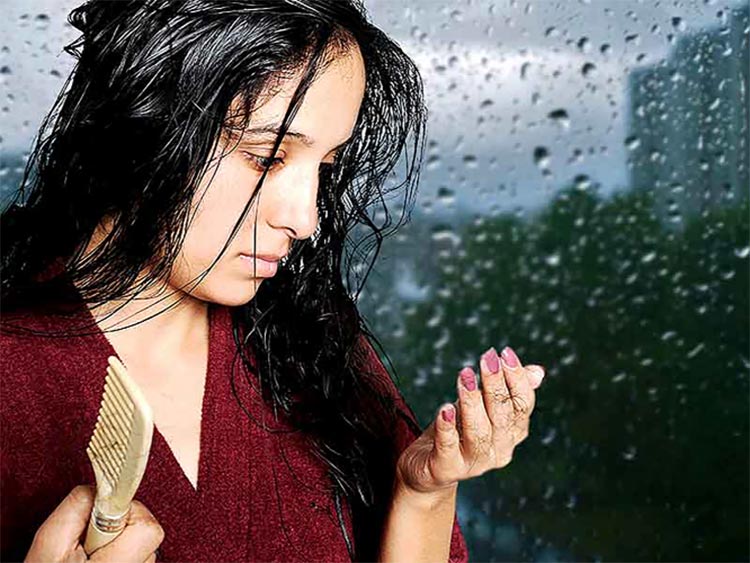
As the monsoon clouds roll in, most of us enjoy the drop in temperature and the smell of fresh rain. But while the rains refresh the earth, they do quite the opposite to our hair. Increased humidity, dampness, and sudden weather shifts make your hair more vulnerable than ever.
So, why is it important to pay extra attention to your hair during the monsoon? Let’s find out.
Humidity Weakens Hair Roots
Excess moisture in the air causes your scalp to sweat more, weakening the hair roots. This results in more hair fall and brittle strands that break easily.
Rainwater Isn’t As Pure As It Looks
Rainwater often contains pollutants, dirt, and acidic elements. When this water settles on your scalp and strands, it can lead to scalp irritation and long-term damage if not cleaned properly.
Increased Risk of Dandruff and Fungal Infections
Wet scalp and sweaty conditions during monsoon create a breeding ground for fungi. This often leads to dandruff, itching, and even infections if hygiene is not maintained.
Frizziness and Unmanageable Hair
Hair tends to absorb moisture from the air, especially if it’s already dry or damaged. This causes the strands to swell, making your hair frizzy, puffy, and hard to manage.
Loss of Natural Shine and Volume
Due to constant exposure to humidity and rain, your hair can start to look limp, dull, and lifeless. The natural oils get stripped away, leaving your locks flat and rough.
Final Word:
Taking your hair for granted during the monsoon can lead to long-term damage. Using the right shampoo, drying your scalp properly, avoiding rain exposure, and nourishing your hair with oil massages or natural masks can make a big difference.
Protect your hair like you protect your skin—because every season demands its own kind of care.