
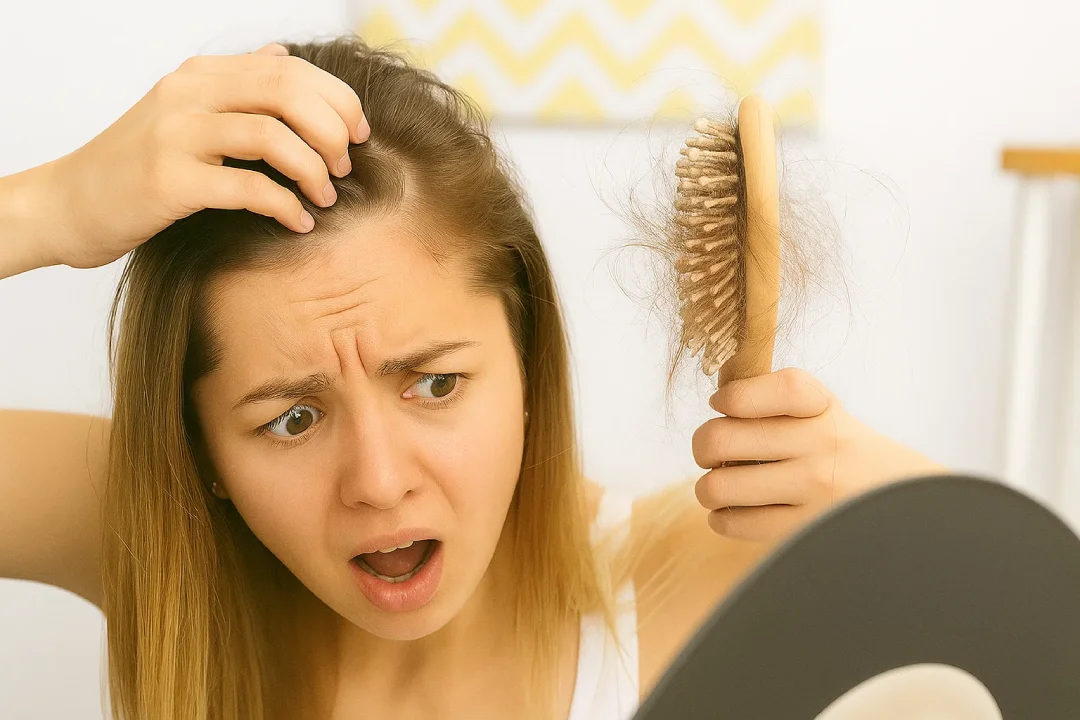
Hair loss is often blamed on genetics, hormonal changes, or aging. However, one important factor that many people overlook is stress. Whether it’s work pressure, financial worries, emotional challenges, or lack of sleep, prolonged stress can silently affect your body in many ways—including the health of your hair.
If you’ve noticed more hair strands on your pillow, in the shower, or on your hairbrush during stressful times, you’re not imagining it. Stress can disrupt the normal hair growth cycle and may contribute to excessive hair shedding. The good news is that identifying stress as a trigger early can help you take the right steps before the problem becomes more serious.
How Does Stress Affect Hair Growth?
Your hair naturally goes through three stages: growth, transition, and shedding. Under normal conditions, these stages remain balanced. However, when the body experiences prolonged physical or emotional stress, this balance can be disturbed.
Stress increases the production of hormones like cortisol, which can interfere with the normal functioning of hair follicles. As a result, more hairs may enter the shedding phase earlier than expected, leading to noticeable hair fall a few weeks or even months after the stressful event.
Signs That Stress May Be Affecting Your Hair
Stress-related hair loss often develops gradually rather than overnight. Some common signs include:
- Increased hair shedding while washing or combing.
- Hair appearing thinner than usual.
- A wider hair part or reduced hair volume.
- Hair becoming weaker, dull, or easier to break.
These symptoms may not always mean permanent hair loss, but they should not be ignored.
Small Changes Can Make a Big Difference
- Healthy hair begins with a healthy mind.
- Managing stress is as important as caring for your scalp.
- Early attention can help reduce excessive hair shedding.
- Consistent self-care often supports healthier hair growth.
Can Everyday Stress Really Cause Hair Loss?
Yes, especially when stress becomes chronic. Everyday responsibilities may seem manageable, but when stress continues for weeks or months without relief, your body begins to respond in different ways.
Some common stress triggers that may contribute to hair fall include:
- High-pressure work environments.
- Academic or examination stress.
- Relationship or family problems.
- Financial concerns.
- Major life changes.
- Poor sleep and constant mental fatigue.
Not everyone experiences stress-related hair loss in the same way, but people who are already genetically prone to hair thinning may notice faster progression during stressful periods.
Is Stress-Related Hair Loss Permanent?
In many cases, the answer is no.
If stress is the primary cause and hair follicles remain healthy, hair often begins to recover once stress levels improve and the body returns to its normal balance. However, recovery takes time because hair grows slowly.
Ignoring continuous stress, on the other hand, may worsen existing hair conditions or combine with other causes such as nutritional deficiencies, hormonal imbalances, or scalp disorders.
What Can You Do to Protect Your Hair?
Managing stress is not only beneficial for your overall health but also for maintaining healthy hair. Along with professional treatment when needed, simple lifestyle habits can make a significant difference.
Some helpful practices include:
- Getting adequate sleep every night.
- Eating a balanced diet rich in protein, vitamins, and minerals.
- Exercising regularly to reduce stress hormones.
- Practicing meditation, yoga, or deep breathing techniques.
- Avoiding harsh chemical treatments and excessive heat styling.
- Following a proper scalp care routine.
If hair loss continues despite lifestyle improvements, consulting a hair specialist is the best next step.
When Should You Seek Professional Help?
Occasional hair shedding is normal. However, if you notice persistent hair loss for several weeks, visible thinning, bald patches, or sudden excessive shedding, it is important to seek professional advice.
A hair specialist can identify whether stress is the primary cause or whether other medical conditions, hormonal changes, or nutritional deficiencies are contributing to the problem. Early diagnosis allows for more effective treatment and better long-term results.
Can Non-Surgical Hair Treatments Help?
Yes. Depending on the cause and severity of hair loss, non-surgical treatments may help strengthen weakened hair follicles and support healthier hair growth.
Treatments such as PRP therapy, low-level laser therapy (LLLT), scalp therapies, growth factor treatments, and medically supervised hair care plans may be recommended after a proper scalp evaluation. These treatments are often combined with lifestyle changes to achieve the best possible outcome.
Final Thoughts
Stress is often called a hidden cause of hair loss because its effects are not always immediate or obvious. While occasional stress is part of everyday life, prolonged emotional or physical stress can disrupt the natural hair growth cycle and lead to noticeable hair shedding.
The encouraging news is that stress-related hair loss is often manageable when identified early. By reducing stress, maintaining a healthy lifestyle, and seeking professional guidance when necessary, you can support stronger, healthier hair and reduce the risk of long-term hair thinning.
Remember, your hair reflects your overall well-being. Taking care of your mental health is just as important as taking care of your scalp.