Hair loss can affect more than just your appearance—it can influence your confidence, social interactions, and even the way you feel about yourself. When people notice thinning hair or excessive shedding, many immediately think about a hair transplant. However, surgery is not always the first or the best solution.
In many cases, non-surgical hair treatments can effectively slow down hair loss, improve scalp health, and stimulate natural hair growth without the risks or recovery time associated with surgery. The key is understanding when these treatments are the right choice.
What Is Non-Surgical Hair Treatment?
Non-surgical hair treatment refers to advanced medical and therapeutic procedures that help strengthen existing hair follicles, reduce hair fall, and encourage healthier hair growth without any surgical intervention.
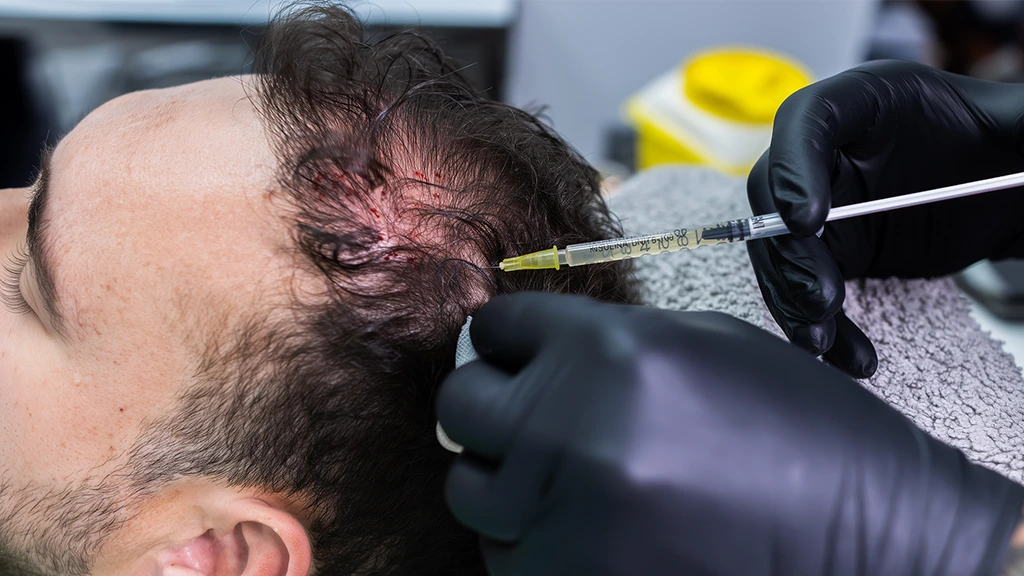
Depending on your hair condition, a specialist may recommend treatments such as PRP therapy, low-level laser therapy (LLLT), scalp therapy, mesotherapy, growth factor therapy, or customized medical treatments. These options are designed to improve the health of your scalp and maximize the potential of your existing hair.
When Should You Choose Non-Surgical Hair Treatment?
1. When Hair Loss Has Just Started
If you have recently noticed increased hair fall or mild thinning, it is often too early to consider surgery. During the initial stages of hair loss, many hair follicles are still alive but have become weak.
Non-surgical treatments can help revive these follicles and reduce further hair loss before the condition worsens.
2. When You Still Have Good Hair Density
Hair transplant surgery works by relocating healthy hair follicles from one part of the scalp to another. If your existing hair is still relatively dense, preserving it should be the priority.
Non-surgical treatments focus on protecting and strengthening your natural hair rather than replacing it.
3. When Hair Loss Is Caused by Lifestyle Factors
Hair thinning isn’t always permanent. Stress, poor nutrition, hormonal imbalance, lack of sleep, certain medications, or scalp infections can all contribute to temporary hair loss.
Treating the underlying cause along with non-surgical therapies often delivers excellent results without requiring surgery.
Why Many People Start with Non-Surgical Treatment
- It helps preserve your natural hair.
- There is little to no recovery time.
- Most treatments are safe, comfortable, and minimally invasive.
- Early treatment can delay or even eliminate the need for surgery.
When Surgery May Not Be the Right Option
Hair transplant surgery is not suitable for everyone.
You may not be an ideal candidate if:
- Your hair loss is still actively progressing.
- You have insufficient donor hair.
- Your scalp condition needs medical treatment first.
- You have unrealistic expectations about surgical outcomes.
- Your overall health requires a less invasive approach.
In these situations, non-surgical treatment is often recommended before considering a transplant.
The Importance of an Early Diagnosis
One of the biggest mistakes people make is waiting too long before seeking professional help. Hair follicles that become completely inactive cannot always be restored naturally.
Early diagnosis allows a hair specialist to identify the exact cause of hair loss and recommend the most appropriate treatment plan. Starting treatment sooner generally leads to better long-term results.
Benefits of Choosing Non-Surgical Hair Treatment
Non-surgical hair treatments offer several advantages, including:
- Reduced hair fall
- Improved scalp health
- Stronger and healthier hair follicles
- Increased hair thickness
- Better blood circulation to the scalp
- Natural-looking improvement
- Minimal discomfort and downtime
- Personalized treatment plans based on individual needs
Can Non-Surgical Treatment Prevent a Hair Transplant?
For many individuals experiencing early or moderate hair loss, the answer is yes. While not every case can avoid surgery completely, timely non-surgical treatment can significantly slow hair loss, improve hair quality, and postpone the need for a transplant for several years.
Even patients who eventually undergo hair transplant surgery are often advised to continue non-surgical treatments to maintain the health of their existing hair and support long-term results.
Final Thoughts
Hair transplant surgery is an effective solution for certain cases of advanced hair loss, but it should not always be the first option. If your hair is beginning to thin, you are experiencing excessive shedding, or your hair follicles are still active, non-surgical hair treatment may provide the results you need without undergoing surgery.
The most important step is consulting a qualified hair specialist who can evaluate your scalp, determine the cause of your hair loss, and recommend a treatment plan tailored to your needs. Taking action early not only improves your chances of preserving your natural hair but can also save you from more invasive procedures in the future.