Summer is a season many of us look forward to. Longer days, outdoor activities, vacations, and sunshine make it an enjoyable time of year. However, while you’re busy protecting your skin from the harsh sun, your hair may be silently suffering from the effects of heat, humidity, sweat, and environmental exposure.
If you’ve noticed increased hair fall, dryness, frizz, or a rough texture during the summer months, you’re not alone. Seasonal changes can affect both your scalp and hair health, making proper care essential. Fortunately, with a few simple habits, you can reduce hair damage and keep your hair looking healthy throughout the season.
Why Does Hair Fall Increase During Summer?
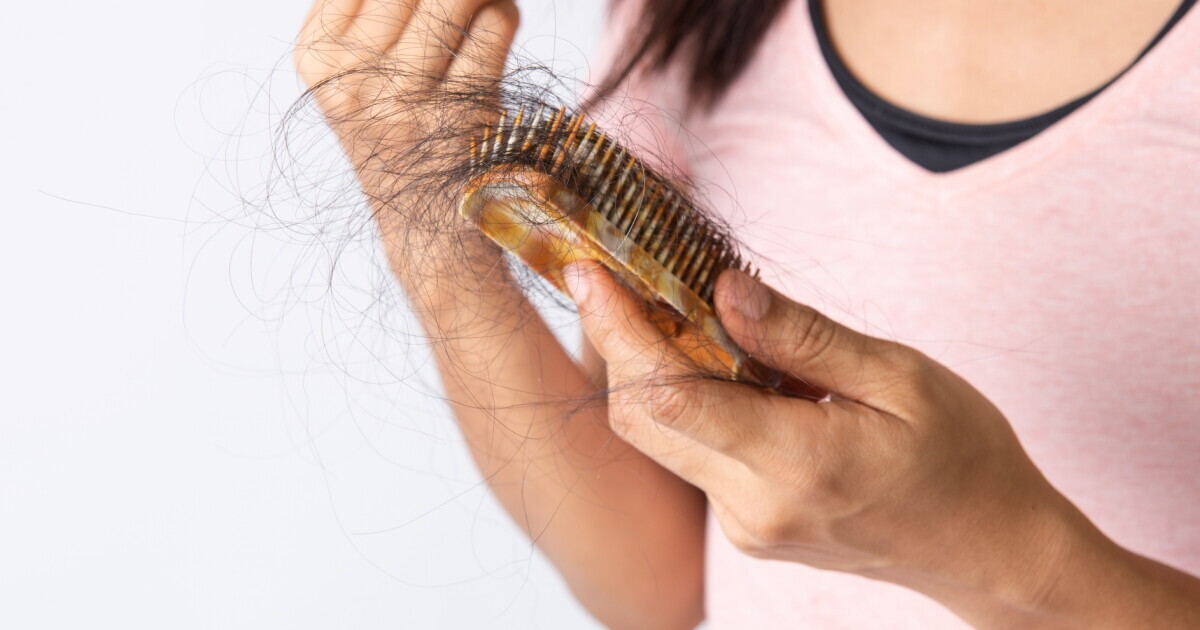
Many people experience more hair shedding during summer and assume something serious is wrong. In reality, several seasonal factors can contribute to temporary hair concerns.
Common causes include:
- Excessive sun exposure
- Dehydration
- Increased sweating
- Scalp irritation
- Oil and dirt buildup
- Frequent washing with harsh products
- Poor nutrition during hot weather
When these factors combine, hair can become weaker, leading to breakage and increased hair fall.
Signs Your Hair Is Struggling During Summer
Before significant hair damage occurs, your hair often gives warning signs.
You may notice:
- Increased hair shedding while combing or washing
- Dry and brittle strands
- Split ends
- Frizzy hair
- Itchy scalp
- Excessive oiliness
- Lack of shine and softness
Recognizing these signs early can help you take corrective measures before the problem worsens.
1. Protect Your Hair from Direct Sunlight
Just as UV rays can damage your skin, they can also affect your hair. Prolonged sun exposure may weaken the hair shaft, making it dry and more prone to breakage.
Whenever possible, wear a hat, scarf, or cap while spending extended periods outdoors. This simple step can help reduce heat-related stress on your hair and scalp.
2. Keep Your Scalp Clean but Avoid Overwashing
Sweat and oil tend to accumulate more quickly during hot weather. While maintaining scalp hygiene is important, washing your hair too frequently can strip away natural oils that help protect and nourish the hair.
Choose a mild shampoo suitable for your scalp type and follow a balanced washing routine.
3. Stay Hydrated Throughout the Day
Many people underestimate the role hydration plays in hair health.
When your body lacks sufficient water, your scalp and hair can become dry and fragile. Drinking adequate water daily helps support healthy scalp function and overall hair vitality.
4. Avoid Excessive Heat Styling
During summer, your hair is already exposed to high temperatures. Frequent use of hair dryers, straighteners, and curling irons can add unnecessary stress to your hair strands.
Allow your hair to air dry whenever possible and reduce the use of heat styling tools to minimize damage.
5. Nourish Your Hair from Within
Healthy hair begins with proper nutrition.
Include foods rich in:
- Protein
- Iron
- Zinc
- Biotin
- Vitamin D
- Omega-3 fatty acids
A balanced diet supports stronger hair growth and helps maintain scalp health throughout the year.
6. Condition Your Hair Regularly
Conditioning helps replenish moisture lost due to heat and environmental exposure.
Using a suitable conditioner after shampooing can improve softness, reduce tangles, and protect the hair from becoming excessively dry and brittle.
7. Avoid Tight Hairstyles
Tight ponytails, buns, and braids may feel convenient during hot weather, but constant tension can place stress on hair roots.
Opt for looser hairstyles that allow your hair and scalp to remain comfortable while reducing unnecessary pulling.
8. Manage Scalp Health Carefully
A healthy scalp creates the foundation for healthy hair growth.
If you experience persistent itching, dandruff, redness, or excessive oiliness, addressing these concerns early can help prevent further hair-related issues.
9. Get Enough Rest and Manage Stress
Hair health is influenced by more than just external care. Stress, lack of sleep, and lifestyle habits can contribute to increased hair fall.
Prioritizing quality sleep and maintaining a balanced lifestyle can positively impact both your scalp and hair condition.
When Should You Seek Professional Help?
While some seasonal hair fall is normal, excessive shedding or noticeable thinning should not be ignored.
Consider consulting a hair specialist if you experience:
- Sudden or severe hair fall
- Visible thinning
- Persistent scalp irritation
- Recurrent dandruff
- Hair breakage that does not improve with routine care
A professional evaluation can help identify underlying causes and provide personalized treatment options.
Final Thoughts
Summer can be challenging for your hair, but it doesn’t have to result in damage or excessive hair fall. By protecting your hair from the sun, maintaining proper hydration, eating a nutritious diet, and following a healthy hair care routine, you can significantly reduce seasonal hair problems.
Small daily habits often make the biggest difference. Taking care of your scalp and hair during summer today can help you enjoy stronger, healthier, and more beautiful hair throughout the season and beyond.