
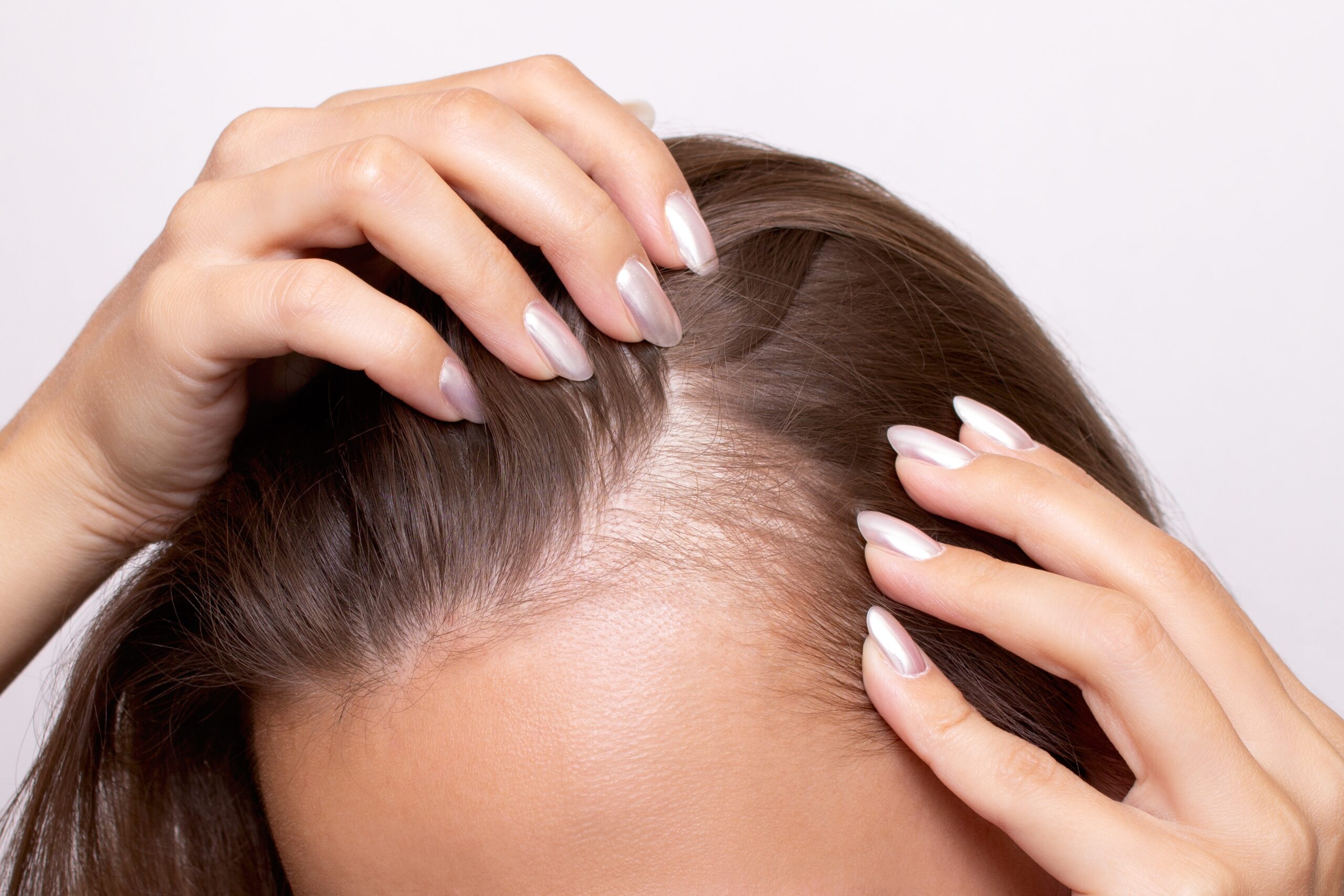
We usually pay attention to our hair when something starts going wrong—more hair on the pillow, excessive hair fall during a shower, dandruff that keeps coming back, or a hairline that seems to be moving backward.
But here’s something many people overlook: you don’t have to wait until a hair problem becomes noticeable to check your hair and scalp health.
Just like regular health check-ups can help you stay aware of changes in your body, periodic hair and scalp assessments can help you understand what is happening with your hair before a concern becomes more difficult to manage.
Your Hair Can Look Fine While a Problem Is Developing
One of the interesting things about hair concerns is that visible changes may appear only after the underlying issue has been present for some time.
You may feel that your hair looks completely normal while the density is gradually decreasing or the hair strands are becoming finer. Similarly, occasional hair fall may seem harmless, but persistent or increasing shedding could deserve professional attention.
A hair and scalp check-up provides an opportunity to look beyond what you can see in the mirror.
What Can a Hair & Scalp Check-Up Tell You?
A professional assessment can involve looking at factors such as hair density, scalp condition, hair shaft quality, pattern of hair loss, and the overall condition of the follicles.
Depending on your symptoms and medical history, a specialist may also suggest additional evaluation or tests to understand possible contributing factors.
This can be particularly useful because hair loss does not always have one single cause. Genetics, nutritional factors, hormonal changes, stress, certain health conditions, medications, lifestyle habits, and scalp problems can all play a role in different individuals.
Why Regular Checks Can Be Helpful
Think of a hair check-up as a way of staying informed rather than something you should do only when you have a serious problem.
Regular assessments may help you:
- Identify changes in hair density at an early stage.
- Keep track of your scalp condition over time.
- Understand whether your hair fall is temporary or persistent.
- Recognize recurring scalp concerns such as dandruff or irritation.
- Discuss suitable preventive or treatment options with a professional.
The purpose isn’t to create unnecessary worry. Instead, it is about becoming more aware of your own hair and scalp health.
Don’t Ignore Persistent Hair Fall
Hair shedding is normal to some extent. We naturally lose hair every day as part of the hair growth cycle.
The concern arises when you notice a persistent change—such as significantly more hair falling than usual, visible thinning, a widening hair parting, or reduced density around particular areas.
If these changes continue, getting your hair assessed can help you understand whether there is an underlying reason that needs attention.
Waiting and hoping that the problem will simply disappear isn’t always the best approach.
Scalp Health Matters More Than You Think
When people think about hair health, they often focus entirely on the hair strands.
But healthy-looking hair also depends on the environment from which it grows—the scalp.
Problems such as excessive dandruff, dryness, oiliness, buildup, irritation, or inflammation can affect scalp comfort and may contribute to hair-related concerns in some people.
A regular scalp assessment can therefore be useful even if your primary concern isn’t hair fall.
Your Hair Changes With Your Lifestyle
Our hair doesn’t exist separately from the rest of our lives.
Periods of high stress, changes in diet, inadequate nutrition, poor sleep, illness, hormonal changes, and other lifestyle factors can sometimes be associated with changes in hair shedding or quality.
This is another reason why regular assessment can be valuable. If you notice a change in your hair, discussing your recent lifestyle and health history with a professional may provide useful clues.
Who Should Consider a Hair & Scalp Check-Up?
You don’t necessarily need to wait until you have significant hair loss.
A professional assessment may be worth considering if you notice:
- Increased or persistent hair fall
- Gradual thinning of the hair
- A widening hair parting
- Receding hairline
- Reduced hair density
- Frequent dandruff or scalp irritation
- Changes in hair texture or quality
- A family history of hair thinning or hair loss
Even when there are no obvious symptoms, people who are concerned about their hair health may choose to get an assessment simply to establish a baseline and understand their current condition.
Regular Assessment Can Help You Make Better Decisions
One of the biggest advantages of monitoring your hair health is having information to work with.
Instead of trying random oils, shampoos, supplements, or treatments every time you notice hair fall, you can first understand what may actually be contributing to the problem.
This can help make your hair-care journey more focused and practical.
And if treatment is recommended, knowing your starting condition can also make it easier to monitor changes over time.
Don’t Rely Only on Online Hair Advice
The internet is full of hair-care tips, home remedies, supplements, and treatment recommendations.
Some may be useful for general hair care, but there is a major difference between general advice and advice based on your individual condition.
For example, the right approach for someone experiencing temporary shedding may be completely different from someone with hereditary hair thinning or a scalp condition.
Your hair deserves a personalized approach rather than a one-size-fits-all solution.
How Often Should You Get Your Hair & Scalp Checked?
There isn’t one fixed schedule that is appropriate for everyone.
The frequency can depend on your age, hair condition, existing concerns, family history, previous treatment, and changes you notice over time.
If you are already experiencing hair fall or thinning, a professional can guide you about how frequently your condition should be monitored.
The important thing is to pay attention to changes instead of ignoring them until they become obvious.
Final Thoughts
Your hair can give you clues about changes happening over time, but those clues aren’t always easy to notice in the early stages.
A regular hair and scalp health check can help you understand your current condition, identify changes earlier, monitor ongoing concerns, and make more informed decisions about your hair-care routine.
You don’t have to wait until hair fall becomes severe or thinning becomes clearly visible.
Sometimes, the best time to understand your hair health is before the problem becomes a bigger problem.
If you’ve noticed a change in your hair fall, density, scalp condition, or hair quality, consider getting a professional hair and scalp assessment to understand what may be happening and what options may be appropriate for you.