Hair is more than just a part of our appearance. For many people, healthy and fuller-looking hair is closely connected with confidence and how they feel about themselves. So, when hair fall, thinning, or a receding hairline starts becoming noticeable, it is natural to look for a solution that is effective but also fits comfortably into everyday life.
This is one of the reasons non-surgical hair treatments are becoming increasingly popular among people dealing with different hair concerns.
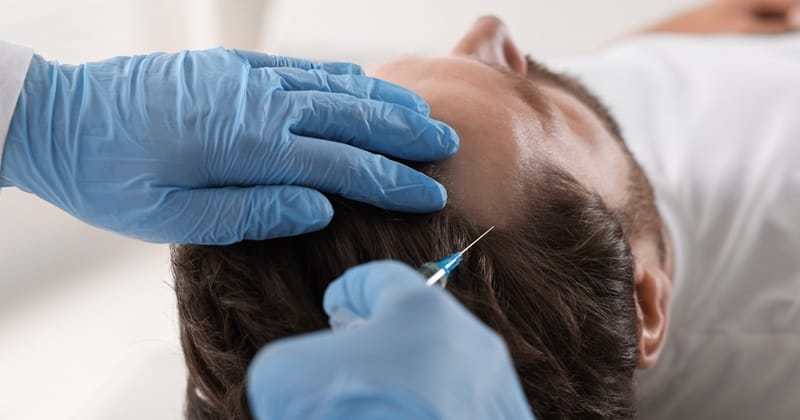
Unlike surgical procedures, non-surgical approaches generally focus on supporting the scalp, improving the hair environment, and addressing specific hair concerns without requiring an invasive procedure. Depending on the individual’s condition, these treatments may include therapies such as Low-Level Laser Therapy (LLLT), scalp-focused treatments, growth-factor-based therapies, or other clinically guided options.
Why Are People Choosing Non-Surgical Hair Treatments?
One of the biggest reasons is simple: people want to take action against their hair concerns without immediately opting for surgery.
Hair problems can develop gradually. Someone may first notice more hair on their pillow, increased hair fall while shampooing, a widening hair parting, or reduced density around the crown. At this stage, many people prefer exploring less invasive treatment options before considering surgical procedures.
Non-surgical treatments can offer a more gradual and personalized approach, particularly when the underlying cause of hair loss is identified early.
1. No Surgical Procedure
The word “surgery” itself can make some people hesitant. Non-surgical treatments do not involve making surgical incisions or undergoing a traditional operation. This can make the treatment journey more comfortable for people who are looking for a less invasive option.
2. Minimal Disruption to Daily Life
Many non-surgical hair therapies can be incorporated into a person’s regular routine. Depending on the treatment being used, there may be little or no downtime, allowing individuals to continue with their normal work and social activities.
This is particularly appealing to working professionals and people with busy schedules who may not want their treatment to interfere significantly with everyday responsibilities.
3. Focus on the Scalp and Existing Hair
Healthy hair growth starts with a healthy scalp environment. Some non-surgical approaches are designed to support scalp health and the condition of existing hair follicles.
Instead of simply focusing on how the hair looks from the outside, a proper treatment plan may consider factors such as scalp condition, hair density, pattern of hair loss, and the overall health of the follicles.
4. Personalized Treatment Approach
There isn’t one single reason behind every case of hair loss.
Hair thinning may be associated with hereditary factors, nutritional deficiencies, hormonal changes, stress, certain medical conditions, lifestyle factors, or scalp-related problems. Therefore, the same treatment may not be appropriate for everyone.
A professional hair and scalp assessment can help identify the individual’s specific concerns and determine which treatment options may be suitable.
What Makes Non-Surgical Treatments Attractive?
For many people, the biggest advantage is the combination of comfort, convenience, and a personalized approach.
Here are five reasons people often consider non-surgical hair treatments:
- No major surgical procedure is involved.
- Treatment can often fit into a busy lifestyle.
- It can focus on supporting existing hair follicles.
- Different therapies can be selected according to individual needs.
- Early intervention may help address hair concerns before they become more noticeable.
Early Attention Can Make a Difference
One common mistake people make is waiting until hair loss becomes significant before seeking professional advice.
Seeing a few extra strands during shampooing may not always indicate a serious problem. However, persistent hair fall, visible thinning, a widening parting, or changes in the hairline deserve attention.
The earlier the cause is evaluated, the easier it may be to understand what is happening and discuss appropriate options.
A hair specialist may examine the scalp and hair pattern, discuss medical and lifestyle history, and recommend appropriate tests or assessments when required. This is important because treating the visible symptom without understanding the underlying cause may not provide the desired results.
Non-Surgical Does Not Mean “One Treatment Fits Everyone”
It is important to understand that non-surgical hair treatment is not a single therapy.
Different treatments work in different ways, and their suitability depends on the individual’s condition. For example, some people may benefit from therapies aimed at supporting hair follicles, while others may first need to address scalp conditions or nutritional and hormonal factors.
This is why professional consultation matters.
A good treatment plan should be based on your hair condition, scalp health, pattern of hair loss, medical background, and realistic treatment goals rather than simply following a popular trend.
The Role of Scalp Health
Think of your scalp as the foundation for your hair.
If the scalp is experiencing excessive dandruff, inflammation, buildup, or other problems, it can affect the overall hair environment. Paying attention to scalp health can therefore be an important part of a comprehensive hair-care strategy.
Regular scalp assessment can also help identify changes that may otherwise go unnoticed.
What Should You Expect From Non-Surgical Hair Treatment?
Expectations are an important part of any hair treatment journey.
Hair growth is a gradual biological process, so results are generally not something that should be expected overnight. The response can also vary from person to person depending on the cause and severity of hair loss, age, overall health, consistency with treatment, and other factors.
Rather than looking for an instant transformation, it is better to approach hair treatment as a process that requires proper assessment, patience, and consistency.
Is Non-Surgical Hair Treatment Right for You?
It may be worth discussing non-surgical options if you are experiencing:
- Increasing hair fall
- Gradual hair thinning
- Reduced hair density
- A widening hair parting
- Early-stage hairline recession
- Scalp-related concerns affecting your hair
- Concerns about the overall quality or thickness of your hair
However, the right treatment depends on the underlying cause. A professional consultation and proper hair and scalp evaluation can help determine what approach makes sense for you.
Final Thoughts
The growing interest in non-surgical hair treatments reflects a simple change in how people approach hair concerns. Instead of waiting for significant hair loss or immediately considering invasive procedures, many individuals are exploring early, personalized, and less invasive treatment options.
The most important step is not choosing a treatment simply because it is popular. It is understanding why your hair is changing in the first place and then choosing an appropriate approach with professional guidance.
If you have noticed increased hair fall or gradual thinning, don’t ignore it for too long. A timely hair and scalp assessment can help you understand your condition better and explore suitable treatment options based on your individual needs.