
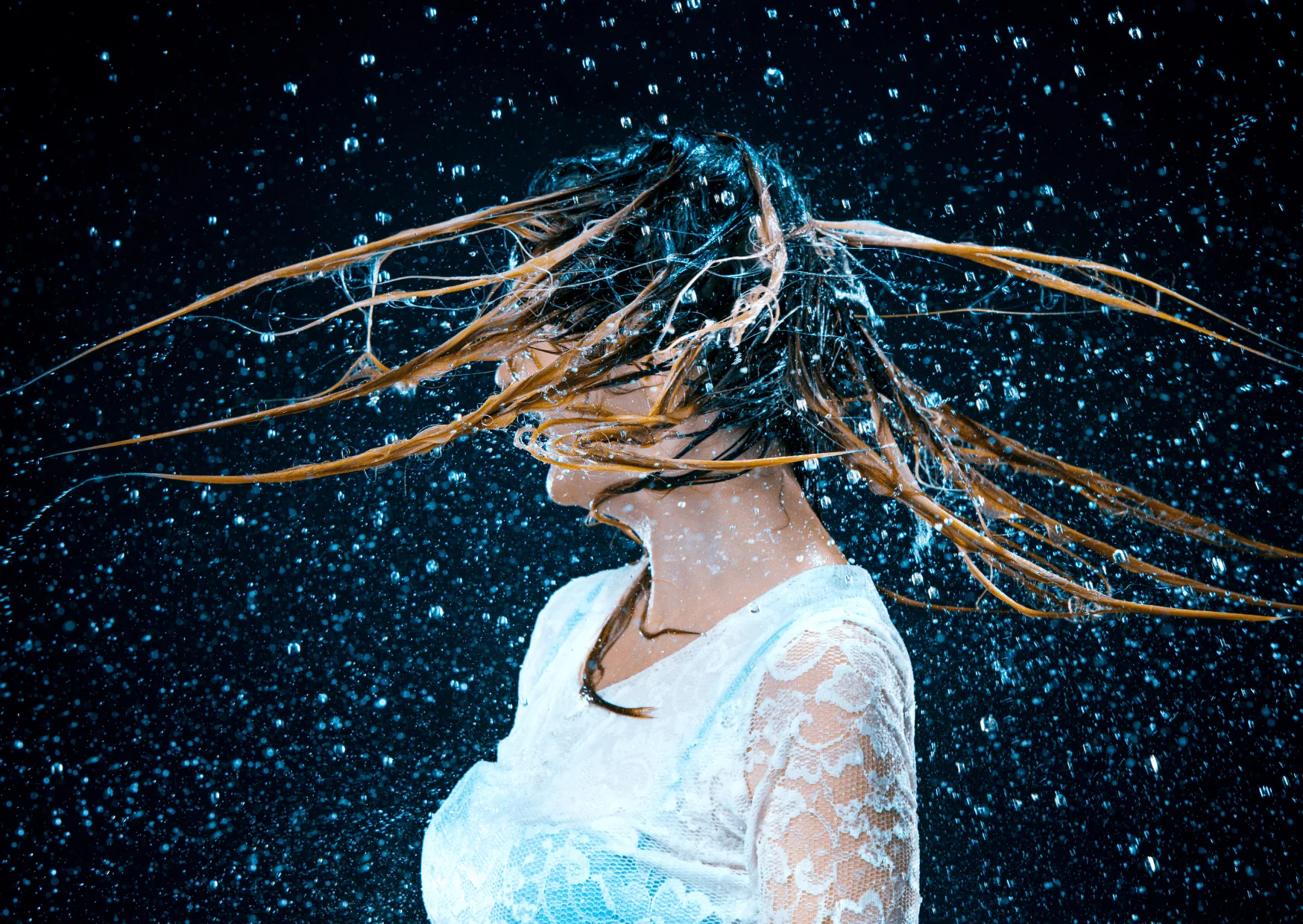
- Rainy weather can make your scalp more vulnerable to infections, dandruff, and hair weakness.
- Dirty rainwater mixed with pollution may affect scalp health if proper care is not taken.
- Excess moisture during monsoon can increase hair breakage and frizz.
- Hair fall in the rainy season is often linked to scalp hygiene and humidity, not just rain itself.
- A healthy scalp care routine can help protect your hair during monsoon months.
The monsoon season brings relief from heat and creates a refreshing atmosphere, but for many people, it also brings an unexpected concern — increased hair fall. A common question people ask is, “Can rainwater actually cause hair fall?” The answer is not as simple as yes or no.
Rainwater itself is not always directly responsible for hair loss, but the conditions associated with rain and monsoon weather can definitely affect your scalp and hair health. If you often notice more hair strands on your pillow, comb, or bathroom floor during rainy days, there may be several hidden reasons behind it.
Does Rainwater Really Damage Hair?
In earlier times, natural rainwater was considered relatively clean. However, today’s environmental pollution changes everything. Rainwater can carry dust particles, smoke, chemicals, and pollutants from the atmosphere before touching your hair and scalp.
When this polluted water stays on the scalp for a long time, it may create an unhealthy environment for hair roots. People with sensitive scalps may experience itching, dryness, irritation, or dandruff problems during the rainy season.
Why Hair Fall Often Increases During Monsoon
1. Excess Humidity Weakens Hair
Monsoon air contains high moisture levels, which can make hair shafts weak and more elastic. Hair becomes fragile, leading to increased breakage while combing, washing, or tying hair.
2. Scalp Becomes More Oily and Sticky
Sweat, humidity, and dirt can combine on the scalp during rainy weather. An oily scalp attracts dust and bacteria, which may disturb the scalp’s natural balance.
3. Higher Risk of Fungal Infections
A damp scalp creates the perfect environment for fungal growth. This can cause dandruff, itching, scalp irritation, and eventually hair weakening.
4. Wet Hair Can Lead to Breakage
Many people tie or comb their hair while it is still wet after getting drenched in rain. Wet hair is delicate and breaks more easily under tension.
5. Pollution in Rainwater
In urban areas, polluted rainwater may contain harmful particles that can irritate the scalp and affect overall hair quality over time.
Signs Your Hair Needs Extra Care During Monsoon
You should pay attention if you notice:
- Increased hair fall during or after rainy days
- Sticky scalp or excessive dandruff
- Itching or scalp irritation
- Hair becoming rough, frizzy, or weak
- More hair breakage while combing
These signs usually indicate that your scalp is struggling with excess moisture, fungal buildup, or poor scalp hygiene.
How to Protect Your Hair during the Rainy Season
Wash Hair after Getting Wet in Rain
If your hair gets soaked in rainwater, rinse it with clean water and mild shampoo as soon as possible. This helps remove pollutants and dirt from the scalp.
Keep Your Scalp Clean
Maintaining scalp hygiene is extremely important during monsoon. A clean scalp reduces the risk of infections and dandruff.
Avoid Tight Hairstyles on Wet Hair
Tying wet hair tightly can weaken the roots and increase breakage.
Dry Your Hair Properly
Never leave your scalp damp for long periods. Gently towel dry or air dry your hair after washing.
Use Nourishing Hair Care Products
Using mild shampoos, scalp-friendly products, and proper hair nourishment can help maintain healthier hair during seasonal changes.
Maintain a Healthy Diet
Strong hair also depends on internal nutrition. Include proteins, vitamins, iron, and enough water in your daily routine.
Is Monsoon Hair Fall Temporary?
For many people, seasonal hair fall during monsoon is temporary and improves once weather conditions change. However, if hair fall becomes excessive, continuous, or accompanied by scalp problems, it may require professional attention.
Ignoring persistent hair fall can sometimes worsen the condition and affect hair density over time.
Final Thoughts
Rainwater alone may not directly cause severe hair fall, but pollution, humidity, fungal infections, and improper hair care during monsoon can definitely contribute to scalp and hair problems. Taking proper care of your scalp during the rainy season can help minimize damage and keep your hair healthier.
If you are struggling with excessive seasonal hair fall, dandruff, or scalp-related concerns, consult Hair Ensure Trichology Clinic for professional guidance and personalized hair care solutions.
At Hair Ensure Trichology Clinic, expert non-surgical hair and scalp treatments are designed to help you achieve stronger, healthier, and more confident hair naturally.