
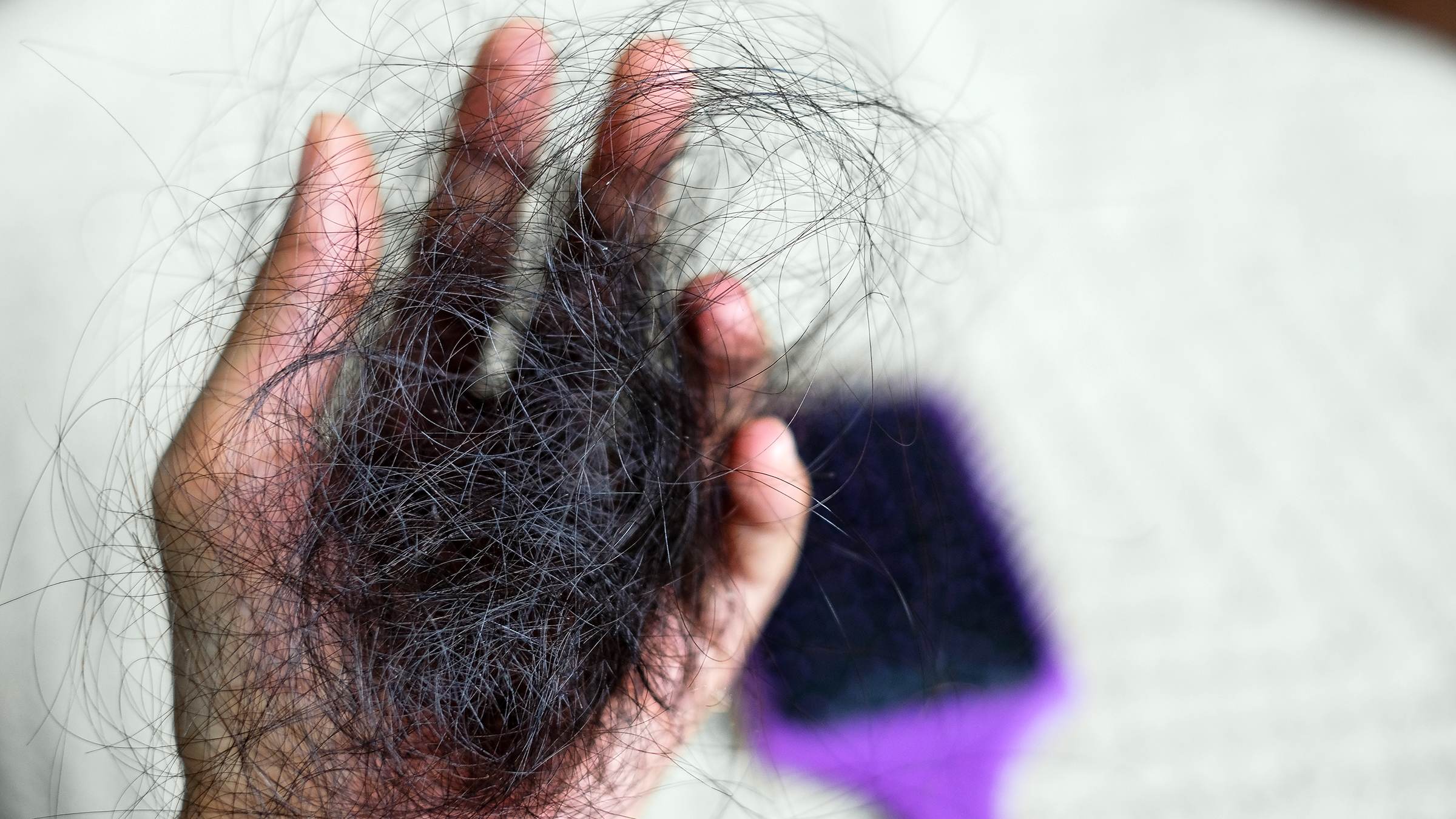
Hair fall after pregnancy is a reality many new mothers face, yet few truly understand why it happens or how to control it. During pregnancy, elevated estrogen levels keep hair in the growth (anagen) phase longer, giving most women thicker, fuller, and shinier hair. But once the baby arrives, those hormone levels drop sharply—triggering sudden and sometimes alarming hair fall. This phase is called postpartum telogen effluvium, and it usually begins 2–4 months after childbirth.
The good news is that postpartum hair fall is temporary. Even better, the right nutrition can dramatically accelerate recovery and restore hair strength from within. In this article, we reveal the real science behind postpartum shedding and how a nutrient-rich diet can help you regain healthy, strong hair.
Why Hair Fall Increases After Pregnancy
Once estrogen levels decline, a large number of hairs shift from the growth phase to the shedding phase. This causes:
- Excessive hair fall during combing
- Hair on pillows and bathroom floors
- A visibly thinner ponytail
- Loss of volume at the front hairline
Most women lose 300–500 strands per day during this stage, compared to the normal 50–100.
But hormones aren’t the only reason. Additional factors include:
- Nutrient depletion due to breastfeeding
- Iron deficiency
- Low protein intake
- Stress, anxiety, and lack of sleep
- Thyroid imbalance
- Postpartum blood loss
This is why focusing only on topical treatments won’t help. Your body needs internal nourishment, because hair strength begins from the roots—which themselves depend on nutrients delivered through blood circulation.
How Nutrition Can Restore Hair Strength After Pregnancy
To regain healthy hair, your diet must support both follicle repair and new hair growth. Here are the nutrients scientifically proven to help:
⭐ 1. Iron — Crucial for Oxygen Supply to Follicles
Low iron is the most common reason postpartum hair fall becomes severe. Iron deficiency reduces oxygen supply to follicles, making hair weaker and promoting shedding.
Best sources:
- Spinach, methi, rajma
- Beetroot
- Dates and jaggery
- Chicken, eggs, fish
- Iron supplements (only if prescribed)
⭐ 2. Protein — Building Block of Strong Hair
Hair is made of keratin, a protein. If dietary protein is low, hair strands become thin and break easily.
Include daily:
- Eggs
- Paneer, curd, milk
- Sprouts, dals, chana
- Fish and lean meats
- Soy or tofu
Aim for at least 0.8–1 gram of protein per kg of body weight daily.
⭐ 3. Omega-3 Fatty Acids — Reduce Inflammation & Improve Hair Density
Healthy fats nourish the scalp, support hormone balance, and improve follicle strength.
Best sources:
- Walnuts
- Flax seeds
- Chia seeds
- Fish (salmon, sardine)
- Omega-3 supplements, if needed
⭐ 4. Vitamin D — Essential for Hair Cycle Control
Women often face Vitamin D deficiency after pregnancy, and it directly contributes to hair thinning.
Get it from:
- Morning sunlight
- Fortified milk
- Mushrooms
- Supplements (if advised)
⭐ 5. Biotin & B-complex — For Stronger Hair Roots
B-vitamins boost scalp circulation, improve keratin production, and help reduce shedding.
Sources:
- Eggs
- Peanuts
- Whole grains
- Bananas
⭐ 6. Zinc — Supports Hair Tissue Repair
Zinc deficiency can delay postpartum recovery and worsen hair loss.
Sources:
- Pumpkin seeds
- Chickpeas
- Cashews
- Eggs
Hydration: The Most Underestimated Hair Strength Booster
New mothers are often dehydrated due to breastfeeding. Dehydration leads to:
- Dry scalp
- Weak roots
- Brittle hair
Drink at least 8–10 glasses of water daily and include coconut water or homemade buttermilk for extra electrolytes.
Lifestyle Habits to Support Nutrition
Along with food, simple habits help restore hair strength faster:
- Get 20 minutes of sunlight daily
- Add a gentle weekly head massage
- Avoid tight hairstyles
- Use mild shampoos
- Sleep at least 6 hours (whenever possible)
- Reduce stress with breathwork or short walks
Remember, postpartum healing takes time. With the right nutrition, most women see visible improvement within 3–6 months.
Final Thoughts
Postpartum hair fall may feel overwhelming, but it is completely normal—and temporary. Instead of panicking, focus on replenishing nutrients, supporting your scalp, and giving your body time to recover. When your internal health improves, your hair naturally regains its shine, density, and strength.